Eyes were glued to Tesla's annual meeting this week, a standout event during a busy US earnings season.
Shareholders of the electric car manufacturer voted in support of a pay package for chief executive Elon Musk that could reach US$1 trillion ($1.77tr).
The package was designed to ensure Musk stays at Tesla for at least seven and a half years. However, it also requires him to drastically raise the market value of the electric car and robotics company over a period of years. If he achieves various targets, Musk’s holding in Tesla could rise to more than 25%.
At the meeting in Texas, Musk reportedly took to the stage and danced to chants of his name. "What we're about to embark upon is not merely a new chapter of the future of Tesla, but a whole new book," Musk said.
"Other shareholder meetings are snoozefests but ours are bangers. Look at this. This is sick," he told the crowd.
Tesla held its annual meeting in Texas this week.
In other news this week, consumer staples giant Kimberly-Clark will grow even larger after reporting plans to purchase fellow consumer goods company, Kenvue.
The Nasdaq-listed company behind brands such as Huggies, Kleenex, and other paper-based products reported it had reached an agreement to purchase Kenvue – the owner of 10 billion-dollar brands including Band-Aid, and medication brand Tylenol – for US$48.7 billion.
The deal is a combination of cash and stock and is tipped to be one of the largest on Wall Street this year. Kenvue shares surged 12% that day, while Kimberly-Clark stock fell more than 14%.
US earnings season
The US earnings season for the third quarter was in full swing this week, with the share prices of several stocks slipping.
Despite some “pockets” of misses, JBWere senior strategist Phil Borkin labelled the reporting season as generally very good with earnings growth across the market. Despite that, he said those good results haven't triggered positive share price moves. “Where you are seeing big share price reactions, is if any company misses those expectations. They’re getting punished by the market.
“We're at that point in the cycle where expectations are high, valuations are high, and it just puts more and more onus on those companies to deliver. It leaves less and less room for error if they don't.”
Shares in Elf Beauty fell more than 25% this week due to unexpected earnings forecasts. The cosmetics brand forecasted full-year revenue of between US$1.55b and US$1.57b, and while that range indicated growth of between 18% and 20%, it was below analyst expectations of US$1.65b. It estimated adjusted profit to be in the range of US$2.80 to US$2.85 per share, below estimates of US$3.58 a share.
Elf is facing headwinds including tariff costs and subdued consumer spending. It expects more than US$50 million in annual costs from higher US tariffs on imports in the 2026 fiscal year. China accounts for about 75% of the cosmetics maker's global production.
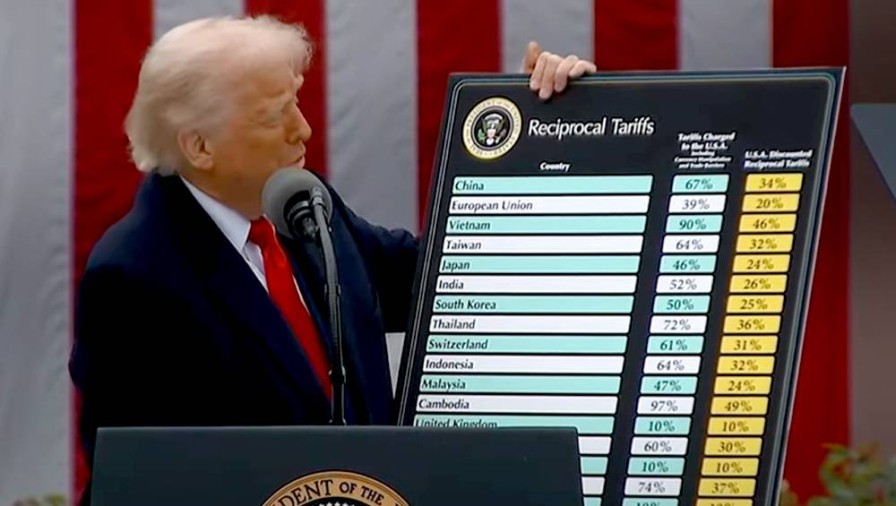
US President Donald Trump with his board of reciprocal tariffs.
Shares in software company Palantir also fell 8% this week on valuation concerns, despite stronger-than-expected third-quarter earnings. Meanwhile, shares in car manufacturer Rivian Automotive rose more than 23% after the company beat expectations for its third-quarter financials, and Rivian lowered its expected tariff impacts.
Borkin said while a company can try to be prudent with guidance, ultimately it is the market that will drive share prices. “Sometimes those two don’t marry up.”
Back to the future
Questions and concerns still linger about an AI bubble, the possibility of it popping, and what impact that would have on markets.
Borkin said his company didn’t believe a bubble had formed yet, but acknowledged there were pockets of exuberance, excitement, and high expectations.
“Our minds automatically go back to the tech dot-com bubble of the late 1990s, early 2000s. That's the natural case study in this instance,” he said.
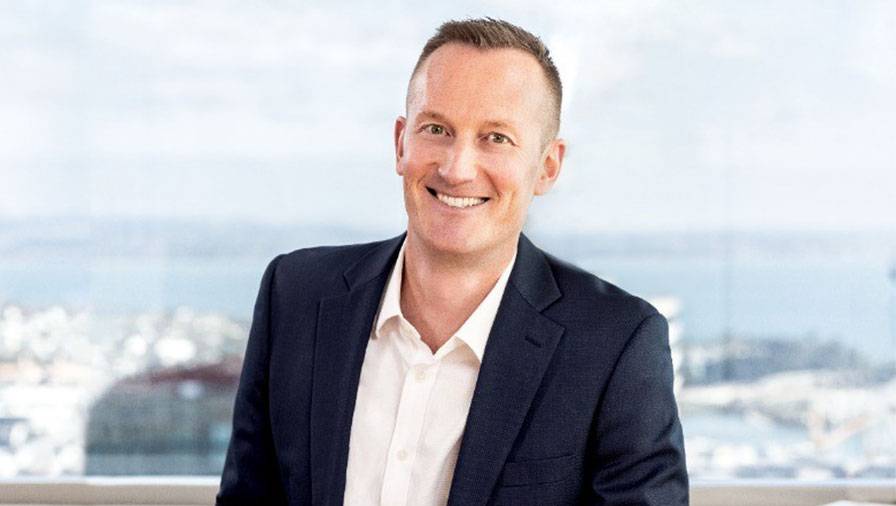
JBWere senior strategist Phil Borkin.
Borkin said the large hyperscale players in the sector now have to continue to deliver, “but our expectation at the moment is they are”.
He added that the fact the questions were being asked and the market wanted to see companies deliver on expectations was a healthy sign.
“In terms of bubble-like behavior? We're not in that camp at the moment.”