Ata mārie and welcome to your Friday summary of global business and political news.
First up, following in the footsteps of the Federal Reserve, the Bank of England also kept UK interest rates on hold at 3.75%, but signalled that it could be forced to hike within months because of the conflict in the Middle East.
The BoE now thought the war in Iran threatened to drive inflation above 3%, and it cautioned ‘second round’ effects – a jump in wages, and prices in retail shops, the Guardian said.
Governor Andrew Bailey maintained a steady tone about the rate path – for now. “I would caution against reaching any strong conclusions about us raising interest rates. Today we’ve given a very clear message. The right place to be is on hold.”
Meanwhile, the European Central Bank left its interest rates on hold, as did central banks in Switzerland and Sweden.
On the markets, UK and European gas prices jumped 15% after attacks by Iran on energy infrastructure across the Middle East. Earlier, brent crude oil jumped by 10% before slipping back to US$110 per barrel.
Capital.com senior market analyst Daniela Hathorn noted the ECB struck a cautious and measured tone in its latest meeting, as policymakers grappled with the renewed energy shock. The ECB now expects inflation to average 2.6% in 2026, revised higher from previous projections. Core inflation is also expected to remain elevated at 2.3%.
“This reflects a growing awareness within the Governing Council that the current shock may not remain confined to headline inflation, but could spill over into wages, services and firms’ pricing behaviour,” Hathorn said.
“President Christine Lagarde emphasised that the ECB remains data-dependent and meeting-by-meeting in its approach, avoiding any pre-commitment on the pace or timing of policy adjustments.”
Meanwhile, gold and silver prices declined in Thursday trading amid jitters about the Iran war and lingering inflation pressures. Earlier, spot gold slid about 5% to below US$4600 per ounce, while spot silver also fell more than 6% to US$70.22 per ounce, CNBC reported.
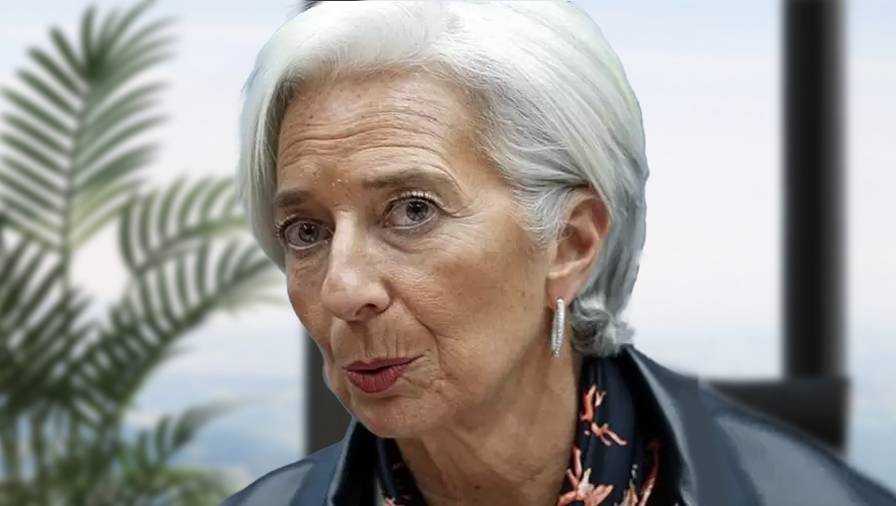
ECB President Christine Lagarde.
Elsewhere, China has arrested seven people and shut down more than 200 websites linked to its illegal fentanyl trade. The United States had long urged China to implement tougher measures on those selling and producing the chemicals illegally, the ABC reported.
The crackdown on fentanyl suppliers comes after US President Donald Trump announced a delay to his trip to Beijing to meet counterpart Xi Jinping.
Meanwhile, the UK is to double tariffs on Chinese and other foreign steel in a bid to save local production. The new measures followed warnings from Tata Steel in south Wales that they had just two months to be saved from collapse, the Guardian reported.
Staying with business news, Uber plans to invest up to US$1.25 billion in electric vehicle maker Rivian Automotive as part of a deal to deploy up to 50,000 robotaxis in several countries over the coming years, CNBC reported.
An initial US$300 million investment from Uber to Rivian could happen soon, subject to regulatory approval.
The European Investment Bank’s international partnerships and development arm, EIB Global, has signed a €2m top-up to the outstanding €10m loan to Bank Respublika, reinforcing a commitment to help finance businesses in Azerbaijan.
The additional financing builds on an original agreement signed in 2024.
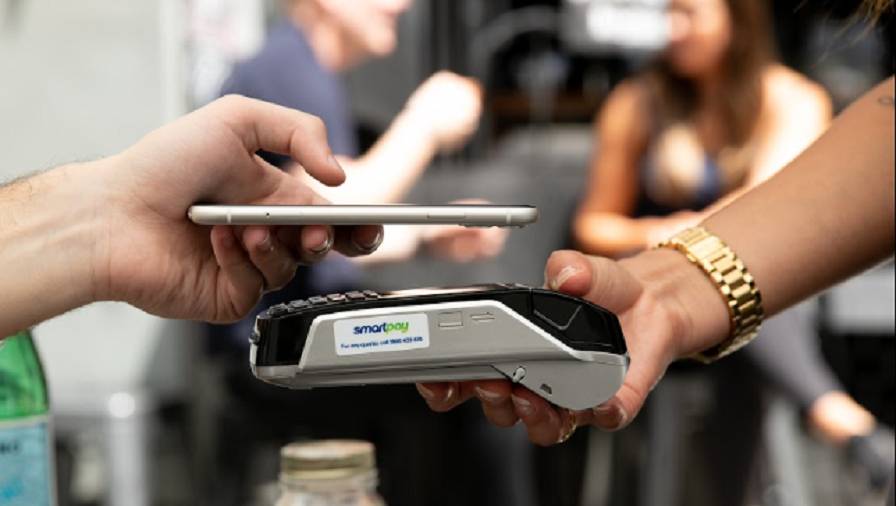
Finally, UK consumers remained limited when making contactless payments despite a £100 cap being lifted, as banks stay risk averse. The official limit on individual contactless transactions on credit and debit cards was scrapped by the Financial Conduct Authority.
Barclays, HSBC, Lloyds, Nationwide, NatWest, and Santander said they would keep the £100 limit in place amid concern that higher or non-existent caps would enable criminals to make bigger purchases on stolen cards, the Guardian said.


