Ata mārie and welcome to your Friday summary of global business and political news.
First up, US President Donald Trump said it was up to Iran to convince him to halt the Middle East war, saying he doesn’t care about making a deal. Trump claimed it was Iran that had sought to restart negotiations.
But Iranian media reported that Iran had “complete doubt” about the US’s willingness to negotiate, CNN reported.
Meanwhile, on Kharg Island, an Iranian army commander said that any ground war would be “dangerous and costly for the enemy”. Even if the US seized the strategic island, experts questioned whether that would give the US enough leverage to force Iran to reopen the Strait of Hormuz.
Trump told a cabinet meeting at the White House that Iran was “begging” to make a deal, the Guardian said.
“Just so we set the record straight, because I’ve been watching the Wall Street Journal’s fake news and all these stories that get printed like, oh, I want to make a deal. They are begging to make a deal. Not me. They’re begging to make a deal."
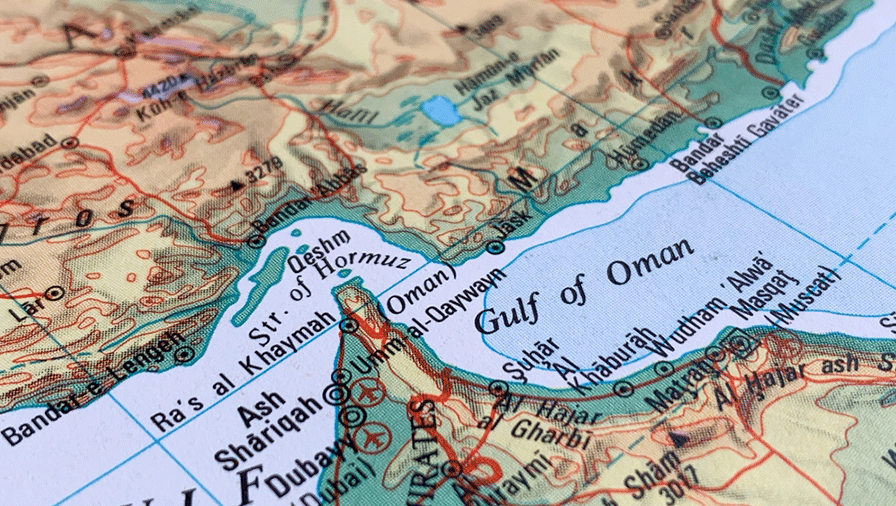
Meanwhile, reports suggested that Iran had responded to Trump’s 15-point proposal to end the war, adding that it was awaiting a reply from the US. In its response, Iran set its own conditions for an end to the conflict.
Israeli Prime Minister Benjamin Netanyahu said his country would continue to strike Iranian targets “with full force”.
“We continue to forcefully strike the targets of the Iranian terrorist regime,” Netanyahu said in a brief video statement.
Lebanon, meanwhile, planned to file a complaint to the UN Security Council over Israeli attacks. Lebanon’s government said it considered Israel’s actions and statements to be “extremely dangerous”, threatening Lebanon’s sovereignty, the integrity of its territory, and the rights of its people, Al Jazeera reported.
“I request that the Minister of Foreign Affairs and Emigrants immediately file a complaint with the Security Council in this regard,” Prime Minister Nawaf Salam said.
Capital.com senior market analyst Daniela Hathorn said markets had a reached an impasse, with investors caught between two competing narratives, which were the risk of further escalation in the Middle East and the growing expectation that neither side wanted to push the conflict to its “most destructive” outcome.
“This has created a fragile equilibrium across asset classes, where positioning reflects caution rather than conviction,” she said.
The S&P 500 was down 1.5%, the Nasdaq fell 2% and the Dow dropped 0.9%. Brent futures were up 5% to more than US$108 a barrel.
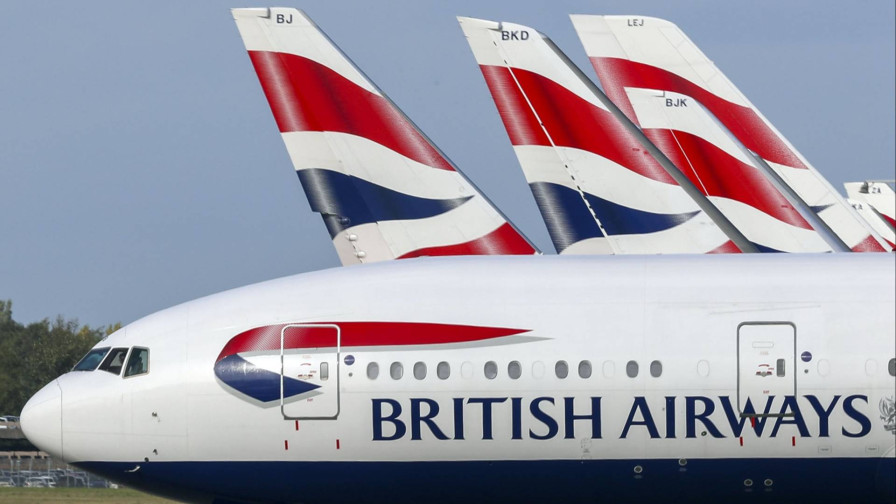
Amid the conflict, British Airways planned to offer a financial incentive to its pilots who cut fuel consumption on flights, CNBC reported.
The airline’s pilots would have to cut aircraft carbon dioxide emissions by 60,000 tonnes more than their 2025 levels to receive a bonus worth 1% of their base pay, according to Bloomberg.
Retail firms warned the conflict was driving up costs and could lead to price hikes for consumers. UK retailer Next suggested it had accounted for £15 million of additional costs likely to arise from the conflict, such as fuel and air freight, assuming the disruption lasts for three months, CNBC reported.
“Beyond the next three months, if we see these costs persist, then we will begin to pass costs through as higher pricing,” the company said.
Meanwhile, H&M said the current geopolitical instability in the Middle East could result in “slightly additional” cost pressure.
Elsewhere, a delegation of Russian officials arrived in the US for meetings with counterparts amid the ongoing Ukraine war. Kremlin spokesperson Dmitry Peskov said President Vladimir Putin had set the “main directives” for the trip and would be “thoroughly briefed” on the meeting.
Several rounds of negotiations since Trump returned to the White House last year had failed to break a deadlock to end the war, with Russia ruling out compromises.
Trump, meanwhile, said he planned to meet counterpart Xi Jinping in China in mid-May, after delaying the trip because of the Iran war. This would be the first visit to China by a US president in nearly 10 years, the BBC said.
Trump is also set to host Xi in Washington DC later this year.
Finally, UK suppliers were expected to be prioritised for public sector contracts in shipbuilding, steel, AI and energy infrastructure under new guidance, the Guardian reported.
In addition, a public interest test required departments to assess whether outsourced service contracts over £1m could be delivered more effectively in-house.
“These reforms are about using the full weight of government spending to support British jobs, protect our national security, and grow our economy,” a Cabinet Office minister, Chris Ward, said.


