Ata mārie and welcome to your Monday recap of international business and political news.
First up, movie theatre operators are cautious about the proposed deal between streaming giant Netflix and media firm Warner Bros Discovery.
Cinema United chief executive Michael O’Leary said the proposed acquisition presented an “unprecedented threat” to the sector.
“The negative impact of this acquisition will impact theatres from the biggest circuits to one-screen independents in small towns in the United States and around the world.”
Director of analytics at Fandango and founder of Box Office Theory Shawn Robbins told CNBC that it was probably the least desired outcome for many theatre owners.
“This may be one of the most meaningful days in the history of the business, but it could yet be a constructive one for cinema if Netflix honours early indications that it will maintain the theatrical business model of Warner Bros properties and lean into those unique strengths which are not replicable on the streaming platform.”
The deal, valued at US$72 billion, puts Netflix in the front row ahead of rivals Comcast and Paramount Skydance after a drawn-out battle. It still requires approval from regulators, the BBC said.
Netflix co-chief executive Ted Sarandos said it was "highly confident" it would receive regulatory approval. “Warner Bros have defined the last century of entertainment, and together we can define the next one.”
Netflix estimated it could find US$2b to US$3b in savings, mostly through overlaps in the support and technology areas of the businesses.
Films made by Warner Bros will continue to be launched in cinemas, while Warner Bros television studio will continue to be able to produce for third parties. Netflix will keep producing content exclusively for its own platform, the BBC said.
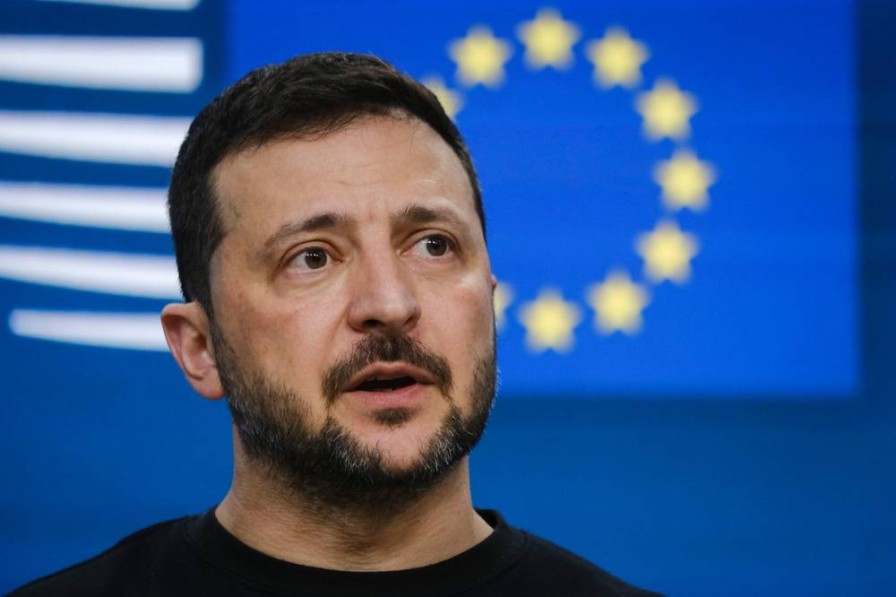
Ukrainian President Volodymyr Zelensky.
Talks between United States and Ukrainian negotiators about a proposed peace deal with Russia ended over the weekend with few new developments, CNN reported.
Ukrainian Ambassador to the US Olga Stefanishyna said difficult issues remain after three days of talks. “The main challenges at this stage concern questions of territory and guarantees, and we are actively seeking optimal formats for addressing them. More details will be provided once all information is compiled.”
US President Donald Trump’s outgoing Ukraine envoy said a deal to end the war was “really close” and now depended on resolving outstanding issues, CNBC and Reuters reported.
Keith Kellogg, who is due to step down in January, said efforts to resolve the conflict were in “the last 10 metres”, which he said was always the hardest part.
Meanwhile, Russian President Vladimir Putin said his country was ready to provide "uninterrupted shipments" of fuel to India, the BBC reported.
Putin questioned why India should be punished for buying oil when the US itself buys nuclear fuel from Russia. Trump imposed 50% tariffs on most Indian products, arguing that India’s purchases of Russian oil had helped fund the war in Ukraine.
Indian regulators held IndiGo’s chief executive accountable for major disruptions at the country’s biggest airline for “significant lapses in planning, oversight, and resource management”.
The Director General of Civil Aviation issued a notice demanding chief executive Pieter Elbers to explain the cancellations, Bloomberg reported.
The airline said it remained on track to operate more than 1650 flights where its ‘on-time’ performance reached 75%, up from 30% on Saturday local time.
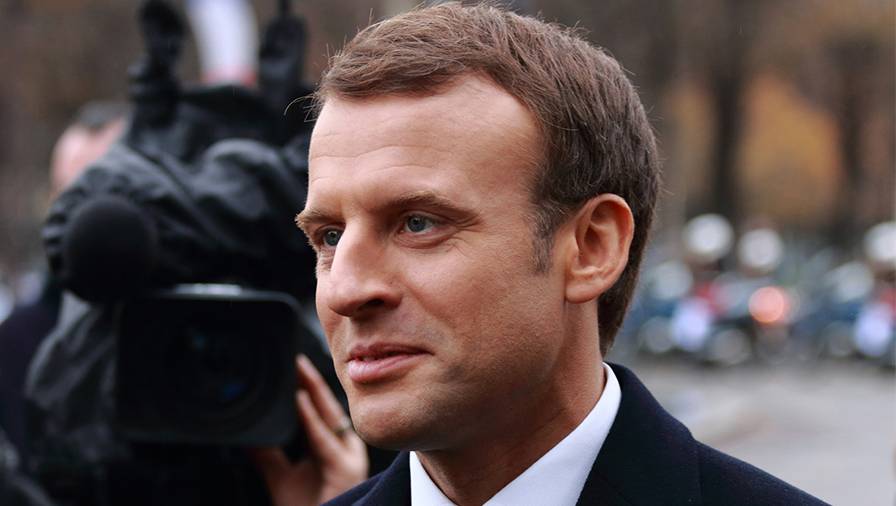
French President Emmanuel Macron.
French President Emmanuel Macron suggested a change in approach to monetary policy at the European Central Bank to help buffer from risks of financial crisis, Bloomberg reported.
“Reasserting the value of the European internal market means we can’t let inflation be our sole objective, but also growth and employment,” he said.
Unlike the Federal Reserve, which has a dual mandate for maximum employment and stable prices, the ECB focuses on inflation, with a target set at 2% over the medium-term.
Over the Ditch, data from Australian accounting software company MYOB showed mixed consumer spending during Black Friday and Cyber Monday, the ABC reported.
In a typically frantic shopping period, the data showed “clear divergency” in spending patterns in different states. Victoria recorded a strong lift, while New South Wales declined.
MYOB said the downturn in NSW pointed to heightened cost-of-living pressure or more conservative discretionary behaviour ahead of Christmas this year.


