Ata mārie and welcome to your Friday summary of global business and political events from overnight.
First, US President Donald Trump said he must be involved in the appointment of Iran’s next leader, as he was in Venezuela, and dismissed the idea of Mojtaba Khamenei succeeding his father as supreme leader, the Guardian reported.
“They are wasting their time. [Ali] Khamenei’s son is a lightweight. I have to be involved in the appointment, like with Delcy [Rodriguez] in Venezuela,” Trump said.
“Khamenei’s son is unacceptable to me. We want someone that will bring harmony and peace to Iran.”
Selecting a leader who followed the policies of the former supreme leader could force the US back to war “in five years”, Trump warned.
Earlier, US defence secretary Pete Hegseth said a regime change was not the primary goal of the US military operation in Iran. The Guardian noted that Trump’s administration had shifted its messaging in recent days to focus on destroying Iran’s nuclear and military capabilities.
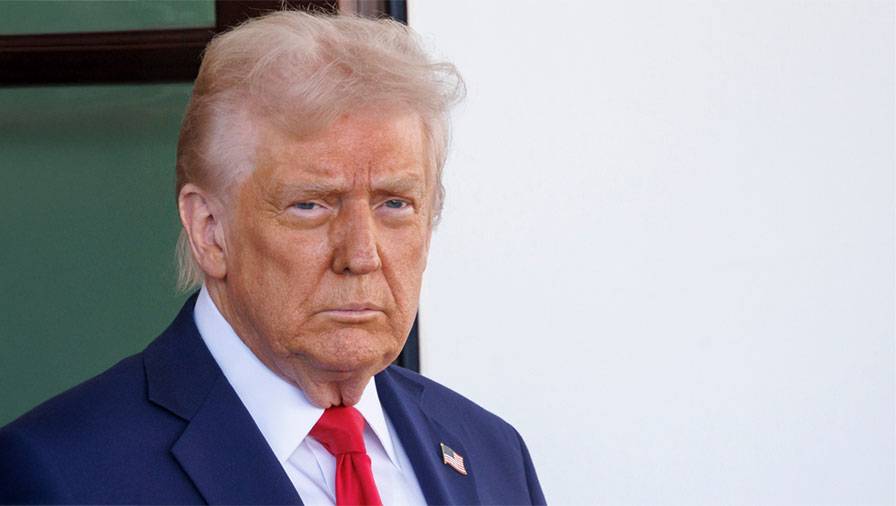
US President Donald Trump.
Meanwhile, US stocks declined in Thursday trading amid concerns over the Iran war, with oil prices hovering near US$80 a barrel, CNBC said. Earlier, the Dow Jones slumped 974 points, or 2%. US crude oil prices jumped to the highest level since June last year after Iran said it hit an oil tanker with a missile.
On the ground, explosions were reported across Iran, with Israel launching new strikes on Tehran, Al Jazeera reported. At least 1230 people had been killed since Saturday, as Israeli forces issued evacuation orders.
Bloomberg said Iran launched a fresh wave of missile and drone strikes across the Gulf on Thursday evening, with attacks reported in the United Arab Emirates, Bahrain and Qatar.
The UAE warned Dubai residents of incoming projectiles, urging them to seek immediate shelter.
BBC Verify analysis of satellite images confirmed at least 11 Iranian naval vessels had been destroyed or damaged in the conflict, with military bases and nuclear sites also hit by attacks.
Meanwhile, CNBC reported on comments from Iranian Foreign Minister Abbas Araghchi, who said Iran was not asking for a ceasefire with the US and Israel. “We don’t see any reason why we should negotiate.”
Businesses based in Dubai were shifting operations while maintaining business continuity. Dubai is a major hub for global fintech, technology, and cross-border commerce firms. Payment infrastructure company Payfuture had now moved to remote operations while it focused on employee safety and supporting team members with family across the wider region.
Closer to home, the Australian Federal Government wouldn’t confirm whether any Australian personnel were on a US submarine that sank an Iranian warship. Dozens of ADF members had been rotating through US submarines in preparation for Australia's acquisition of nuclear-powered submarines, the ABC said.
Foreign Minister Penny Wong was questioned on the matter in Parliament but said she couldn’t comment on specifics. Nine News reported that two Australian sailors were on board the submarine that carried out the attack.
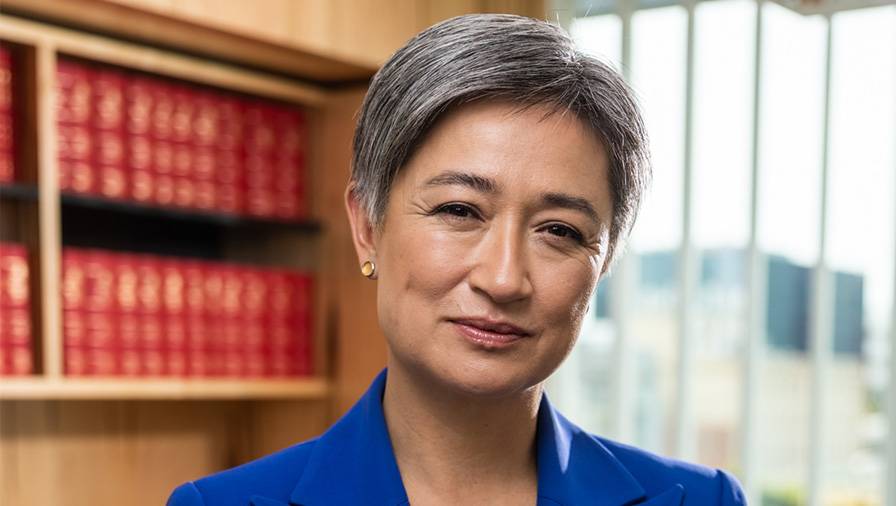
Australian Foreign Minister Penny Wong.
In other news, Reuters has an exclusive story that Ukraine's F-16 fighter jets didn't have enough missiles to shoot down Russian drones and missiles for more than three weeks from late November to mid-December last year.
The shortage meant Ukraine's air defences relied heavily on Western allies for missiles and systems against ongoing Russian strikes.
Elsewhere, Berkshire Hathaway said it had resumed repurchasing its own shares for the first time since 2024, while new chief executive Greg Abel bought US$15 million worth of stock himself, CNBC reported.
The conglomerate disclosed in a regulatory filing that it began buying back its Class A and Class B shares. Berkshire’s policy allowed the company to repurchase stock whenever the chief executive thought that the repurchase price was below Berkshire’s ‘intrinsic’ value.
“We felt it was important to communicate to our shareholders, our partners, our owners, with the transition of leadership,” Abel said.


