Welcome to your Tuesday recap of global business and political news from overnight.
First today, US President Donald Trump extended his deadline for Iran to reopen the Strait of Hormuz, confirming that the US would not strike the country's power plants for five days, the ABC reported.
Trump claimed the US and Iran had "very good and productive conversations" that could lead to a “complete and total resolution” of the war.
He said Middle East envoy Steve Witkoff and close aide and son-in-law Jared Kushner talked to Iran on Sunday local time and that discussions would continue this week, the Guardian reported.
“We have had very, very strong talks. We’ll see where they lead. We have points, major points of agreement, I would say, almost all points of agreement ... We’ve had very strong talks, Mr Witkoff and Mr Kushner had them. All I’m saying is, we are in the throes of a real possibility of making a deal,” Trump told reporters.
But Iran's Fars news agency said there had been no direct or indirect communications with the US. Fars also said Trump backed down on targeting Iranian power plants after Iran warned it would target power plants across West Asia in response, the ABC noted.
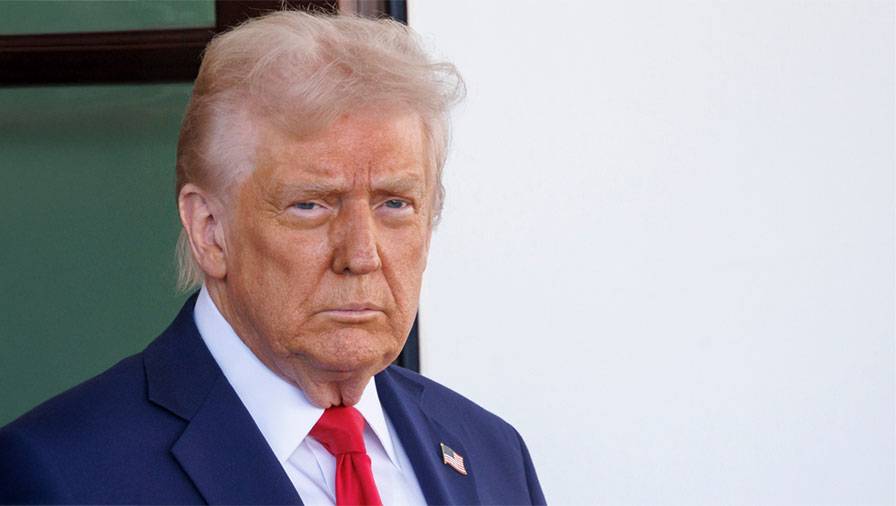
US President Donald Trump.
Meanwhile, Al Jazeera had more details about a phone call between Russian Foreign Minister Sergey Lavrov and his Iranian counterpart Abbas Araghchi.
Lavrov stressed the urgent need to end hostilities immediately and move towards a political and diplomatic resolution, according to Russia’s Foreign Ministry.
Earlier, Kremlin spokesperson Dmitry Peskov condemned US-Israeli strikes near Iran’s Bushehr nuclear power plant as “extremely dangerous”.
Indian Prime Minister Narendra Modi said his country had sufficient energy supplies to meet domestic demand, but he warned the Iran conflict created “unprecedented challenges” for the world’s fastest growing economy, Bloomberg reported.
“Our government’s effort has been to ensure that the supply of petrol, diesel, and gas is not excessively disrupted, and that ordinary families in the country face as little trouble as possible,” Modi told Parliament on Monday local time.
To the markets, where oil prices dropped and sharemarkets rebounded after Trump held off from striking Iranian power plants. The price of Brent crude oil fell, while European and US shares rose following Trump's statement, the BBC said.
Trump had previously promised to "obliterate" Iranian infrastructure if the Strait of Hormuz shipping route was not reopened within 48 hours.
Earlier, the Dow Jones index jumped 2%, or 928 points, while the broader S&P 500 index rallied close to 2%, the Guardian said.
Precious metals gold, silver, and platinum resumed a sell-off on Monday local time. The price of spot gold had fallen more than 5% on Monday morning trading before recovering, CNBC noted.
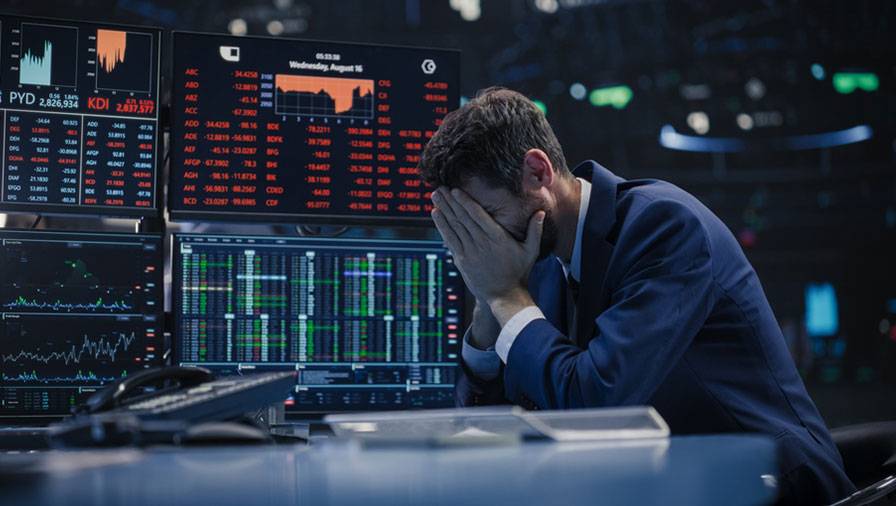
Eurozone consumer confidence has fallen to the lowest level since late 2023, according to a European Commission survey. Overall, confidence fell to -16.3 this month from a revised -12.3 in February, the Guardian reported.
“The four-point drop in March is one of the largest falls on record other than at the start of the [Covid-19] pandemic and the Ukraine conflict,” Capital Economics’ Andrew Kenningham said.
“Based on our current working assumptions about oil and gas prices, we think household spending will decline and cause GDP to stagnate over the next two quarters.”
In business news, global car giant Toyota announced it would spend US$1 billion at two US plants as part of a broader plan to invest up to US$10b over the next five years, CNBC reported.
The investments included US$800 million at a plant in Kentucky to increase production capacity of the Camry sedan and Rav4 SUV. The remaining US$200m would be used to increase capacity of the Grand Highlander SUV at a plant in Indiana.
“Toyota’s investment in the US is for the long term, tied to our philosophy of building where we sell and buying where we build,” Toyota North America chief operating officer Mark Templin said.


