It has been a month since the US and Israel launched joint missile attacks on Iran, triggering a major regional conflict that has, and is continuing to, spook global markets.
The war has forced the closure of the Strait of Hormuz, through which about 20% of the world’s oil flows; this has been a key driver of uncertainty due to the dependence on fossil fuels to power the global economy.
It has sent the price of oil soaring, with Brent crude – the global benchmark – up more than US$30 to US$100 per barrel ($52 to $173).
The surge has been felt across global equity markets to varying degrees, with the S&P 500 down more than 6% since the war began.
The effect has been more severe across key benchmarks in Europe and Asia, which have a greater reliance on oil and gas sourced from the Middle East.
Closer to home, the NZX 50 is down a more modest 5%.
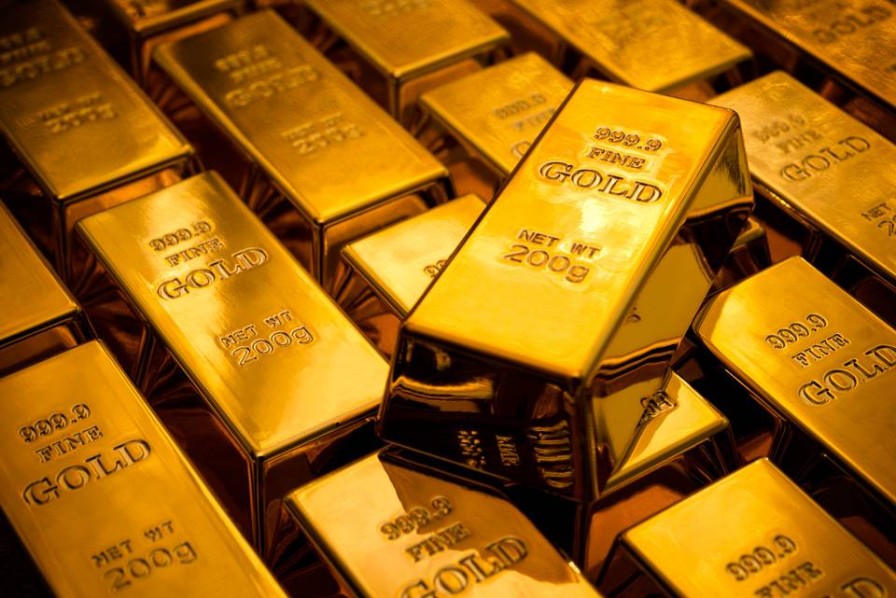
At the same time, the typical assets people flock to during a time of crisis – the US 10-year Treasury and gold – have also been hard hit. US bond yields have spiked more than 40 basis points as investors sell out of US debt due to inflation concerns, and demand a higher risk premium for funding the US Government. Meanwhile, gold is down close to 16%.
“Those traditional safe havens haven’t proved to be very safe at all,” Craigs Investment Partners investment director Mark Lister told NBR, adding that investors appear to be flocking to cash amid the uncertainty.
Lister suspects the shift in gold is a result of profit-taking, as the precious metal jumped 65% in 2025 to have its best year since 1979.
The concerns about inflation have raised the possibility that central banks may have to increase interest rates as a result, which is bad news for a non-yielding asset such as gold, he said.
However, Lister noted that assets such as sovereign and corporate bonds were still a better place to be than equity markets at the moment because they have not been as hard hit.
Looking ahead, he expects more volatility. “There’s still a downside to markets; it’s going to get worse before it gets better.”

Craigs Investment Partners investment strategist Mark Lister.
Trump talk
A lot of trading in the past week has been driven by statements US President Donald Trump has made on social media regarding the conflict. Markets staged a rally earlier in the week after Trump said talks were under way with Iran to end the conflict, only for those gains to be lost as Iran rejected those claims.
Lister’s impression of Trump’s recent comments and actions is that he is looking for an ‘off ramp’.
“He doesn’t want $100 oil. That’s not great for the United States. It’s not great for consumers. It’s not great for the US economy. It’s not great for midterm prospects for all of his colleagues. And the US president is looking for a way that he can sort of claim victory … without it having sort of long-lasting, negative consequences.”
What ending the war actually looks like is another question altogether, as public comments from Iran suggest it has nothing to lose.
“Ending this looks like the Strait of Hormuz being open,” Lister said, adding that Trump looks like he is potentially the more rational party in the conflict.
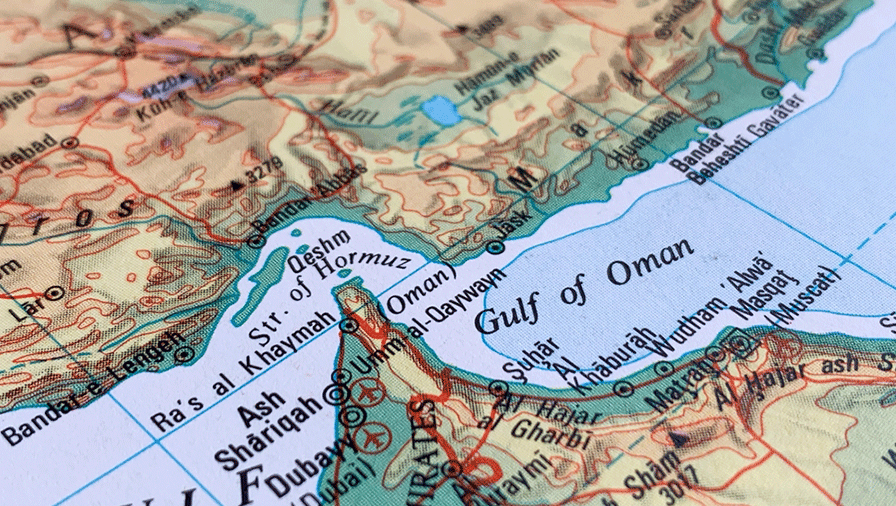
The Strait of Hormuz.
Dr Breman
Like the US, New Zealand bond yields have jumped, rising to their highest level in almost a year.
The two-year swap rate, which is a wholesale interest rate that reflects expectations for the official cash rate, has also jumped close to a 12-month high.
The tightening of wholesale interest rates has seen interest rate expectations shift from two rate cuts by year’s end to three hikes this year, which would take the OCR to 3% from 2.25%.
It was against this backdrop that Reserve Bank Governor Dr Anna Breman gave a speech on Tuesday, where she attempted to temper interest rate expectations when she said the bank would look through the short-lived disruption and temporary increases in petrol prices.
“A short-lived disruption and a temporary increase in petrol prices can – and should – be looked through from a monetary policy perspective if it is unlikely to have an impact on medium-term inflation outcomes,” she said.
Lister said Breman did all she could in her speech by being honest about the situation the New Zealand economy faces and warning that short-term inflation will increase.
He said there were two sides to the issue: inflation was one, but the economy was another, noting that there was already a degree of “nervousness” emerging.
This was borne out in ANZ Bank’s latest read of consumer confidence, released on Friday, which showed sentiment has turned pessimistic over the past month, fewer households expect to be better off in a year, and they expected prices to jump.
“The conflict in the Middle East has created significant uncertainty for the economic outlook and is hitting people in the back pocket already,” ANZ chief economist Sharon Zollner said in the report.
“Confidence impacts are likely to exacerbate the impact on growth, but it is entirely reasonable that both firms and households think twice when making spending decisions in case things take a marked turn for the worse.”
Reserve Bank Governor Dr Anna Breman.
Fonterra
Amid the pall of gloom hovering over the local economy, news that Fonterra has increased its payout to its farmer-shareholders served as a rare ray of light.
At the release of its interim results on Monday for the six months ended January, the dairy cooperative said earnings from continuing operations should reach between 50 cents and 65c per share, up from the 45c to 65c prediction it made last September.
It also lifted its forecast farmgate milk price midpoint for the season from $9.50 per kgMS to $9.70/kgMS, with the range changing from $9.20 to $9.80/kgMS to $9.40 to $10.00/kgMS.
Lister said there was a “nice gap” between the increased payout and the current estimated breakeven price for farmers of $8.41 per kgMS, according to a report from DairyNZ.
While this part of the economy was in a “solid position”, the same could not be said for housing or retail, Lister said.