Ata mārie and welcome to your Monday summary of the key international headlines from the weekend. All eyes on the Middle East as we feel the ripple effects of the Iran war here in New Zealand on travel and fuel costs.
In developing news, oil prices could extend gains as the United States-Israel war with Iran enters a third week. The International Energy Agency has announced more than 400 million barrels of oil reserves will begin flowing to the market soon.
That’s a record aimed at combating price spikes during the Middle East conflict. Stocks from Asia and Oceania will be released immediately and those from Europe and the Americas will be available at the end of March, CNBC reported.
US Defence Secretary Pete Hegseth said Iran's new supreme leader Mojtaba Khamenei was "wounded and likely disfigured". Khamenei has not been seen since his selection last Sunday, and his first comments came in a statement read out by a television presenter, the ABC and Reuters reported.
Meanwhile, US President Donald Trump said he was not ready for a deal with Iran to end the war. Trump has also called on other countries to join the war effort, hoping they could send ships to the Strait of Hormuz. He said the US might strike Kharg Island again "just for fun".
On the ground, Israel's military started a fresh wave of air strikes on western Iran, while Iran's Revolutionary Guards said they would target Israeli Prime Minister Benjamin Netanyahu.
To date, about 2000 people have been killed, most of them in Iran, but many also in Lebanon and a growing number in the Gulf. Several million people have been displaced from their homes.
Netanyahu held his first press conference since the start of the Iran conflict. He signalled the war may end with the regime still in place. His address was part of an effort from Israel's leaders to frame the war as creating change in the Middle East, the BBC said.
Elsewhere, four of the six US crew members on board a refuelling plane that crashed in western Iraq have now died. The plane was involved in an "incident" with another aircraft, the BBC reported.
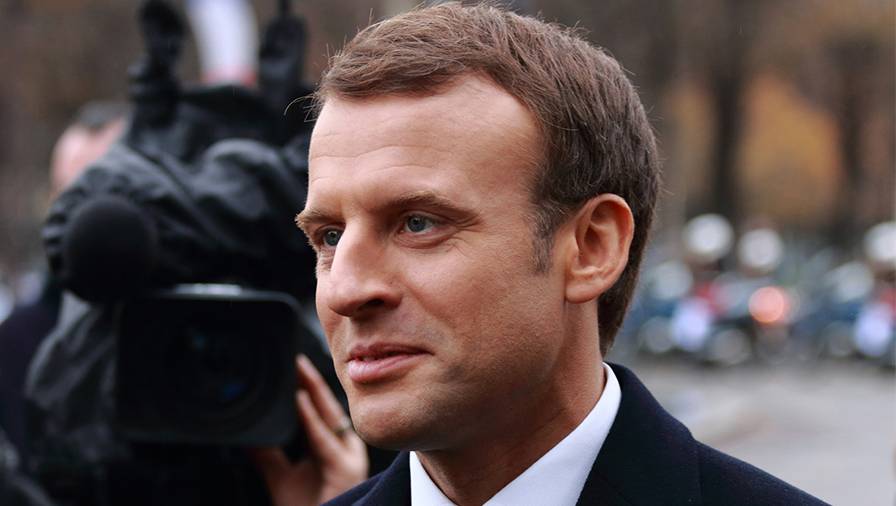
French President Emmanuel Macron.
French President Emmanuel Macron said his country was ready and willing to mediate a truce between Lebanon and Israel, saying that Lebanese leaders were keen to engage in direct talks in a major shift in the country’s approach towards Israel, Al Jazeera said.
“France is ready to facilitate these discussions by hosting them in Paris,” Macron said. “Everything must be done to prevent Lebanon [from] descending into chaos.”
The French Ministry for Europe and Foreign Affairs confirmed France was open to facilitating and supporting Lebanon in holding direct talks with Israel.
The Middle East conflict is extending beyond the battlefield to the race pitch, with Formula 1 races in Bahrain and Saudi Arabia cancelled in April because of safety concerns, CNN reported.
“Due to the ongoing situation in the Middle East region, the Bahrain and Saudi Arabian Grand Prix will not take place in April,” F1 said. “While several alternatives were considered, it was ultimately decided that no substitutions will be made in April.”
Meanwhile, Westpac’s economists in New Zealand and Australia have been assessing conditions for both countries. They said the situation remained “highly dynamic and uncertain” as markets and economies focus on damage to energy infrastructure, the closure of the Strait of Hormuz, and the risk of further escalation.
“All of this points to a more uncertain and volatile environment with lower growth and higher inflation. This presents major challenges for central banks. Their assessments will likely be similar to ours but judging what constitutes the ‘path of least regret’ for policy will depend on how decisions were being framed prior to the shock, assessments of relative exposures, and the balance of risks around both inflation and growth.
“For the RBA, the recent focus has been on returning inflation to target, with some lift in rates required to bring growth more into line with its downbeat assessment of the economy’s supply capacity. Risk-wise, the upside threat to inflation, and especially inflation expectations, will be the over-riding concern. Hence, we now expect an additional 25bps rate hike at the RBA’s March meeting, ahead of the hike already forecast for May, bringing the cash rate back to its previous peak of 4.35%,” Westpac said.
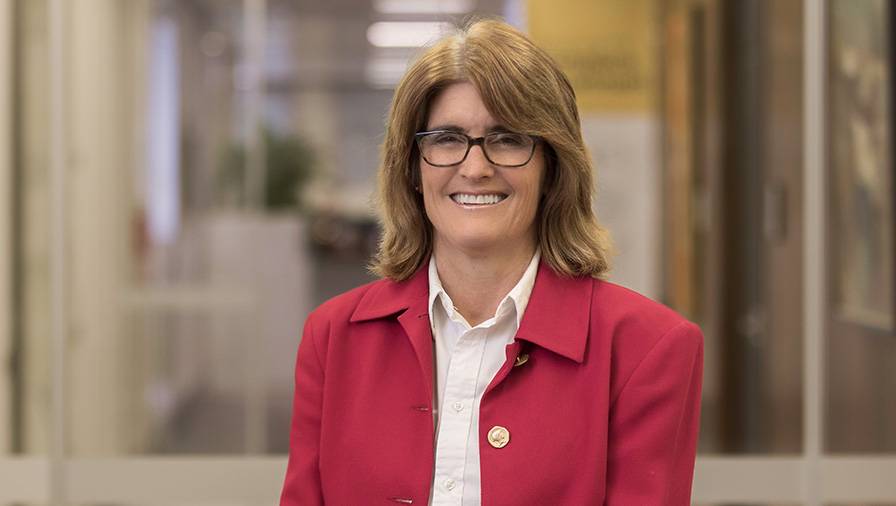
RBA Governor Michele Bullock.
Staying with economics, the US economy was on shaky ground even before the Iran conflict. The Commerce Department said the economy was dragged down by the historic government shutdown late last year, CNN said.
Overall, US GDP expanded at an annual rate of 0.7% in the December-quarter, in its second estimate, down sharply from 1.4% initially reported, and a much slower pace than the 4.4% in the September-quarter.
The latest estimate revised several categories lower, including exports, consumer spending and government spending.
Meanwhile, the UK economy unexpectedly flatlined in January, sparking renewed jitters over the growth outlook amid the Iran conflict, the Guardian reported.
Figures from the Office for National Statistics showed 0% growth in GDP, down from an increase of 0.1% in December, as the economy failed to recover from Budget uncertainty. Economists warn that the UK economy could fall into recession as consumers get hit with fuel price escalation and other cost of living pressures.

