Kia ora and welcome to your Tuesday summary of global business and political news.
First up, US President Donald Trump said talks to form a deal with Iran were “proceeding nicely”, although sticking points remain over Iran’s nuclear programme, according to Bloomberg.
Overnight, Iran said some progress had been made, but a deal was not imminent. The deal reportedly involved a 60-day ceasefire extension and reopening the Strait of Hormuz, with more contentious issues to be negotiated later, the BBC said.
A high-level Iranian delegation, currently in Qatar, planned to discuss issues related to the Strait of Hormuz and enriched uranium. Iranian Foreign Ministry spokesperson Esmaeil Baghaei said some progress had been made in talks with the US on “a large portion of the discussion topics”, Al Jazeera reported.
Meanwhile, Trump called on Arab nations, including Saudi Arabia and Qatar, to sign the Abraham Accords as part of a peace agreement with Iran. That would prompt the nations to establish formal diplomatic relations with Israel, the ABC said. "It should start with the immediate signing by Saudi Arabia and Qatar, and everybody else should follow suit. If they don't, they should not be part of this Deal in that it shows bad intention,” Trump wrote.
On the ground, Iranian President Masoud Pezeshkian issued a decree ordering the restoration of internet access. Authorities had imposed a near-total internet blackout across the country for more than 87 days, Al Jazeera said.
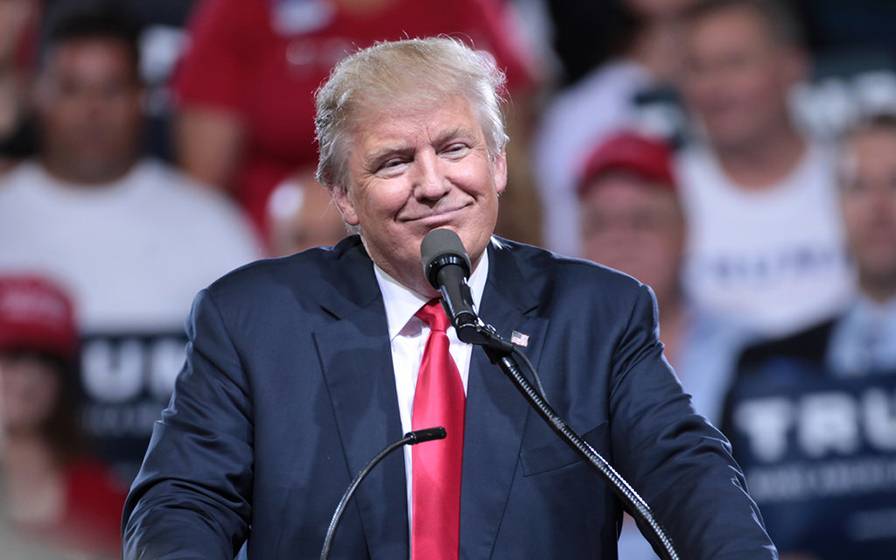
US President Donald Trump.
Oil prices fell sharply on hopes of a deal to bring the war to an end after US Secretary of State Marco Rubio said negotiators had a "pretty solid thing on the table". Earlier, Brent crude fell 5.5% to US$97.90 per barrel, the BBC noted.
In business news, rideshare firm Uber considered an improved bid for German food delivery rival Delivery Hero, after an offer of €33 per share was rebuffed at the weekend, the Financial Times and CNBC reported.
“[Delivery Hero] remains fully focused on executing its strategic review process and further updates will be provided as required or appropriate,” the company said.
Delivery Hero said last week that Uber had increased its stake to about 19.5% of issued capital, from about 7%, becoming its largest shareholder.
Elsewhere, Estonia’s head of foreign intelligence Kaupo Rosin told CNN that Russia’s mindset on Ukraine was changing, as Russian President Vladimir Putin was running out of time to win the war.
Rosin said that within the next four to five months, Putin may not be able to negotiate from a position of strength any more because time was not in Russia's favour.
Global leaders were also critical after Russia used a new hypersonic ballistic missile in one of its biggest bombardments of Ukraine.
French President Emmanuel Macron condemned the attack, describing it as an escalation in “Russia’s war of aggression”. German Chancellor Friedrich Merz said it was a “reckless escalation”.
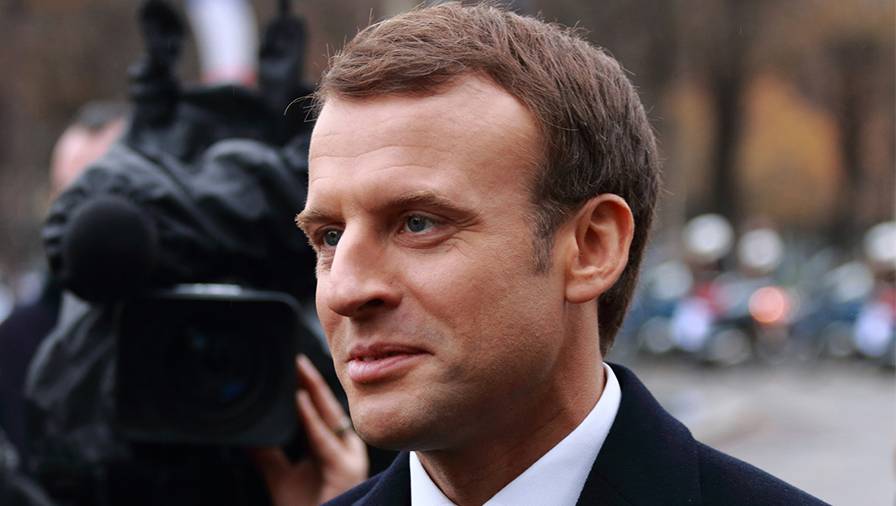
French President Emmanuel Macron.
The number of deaths from the Ebola outbreak in central Africa has reached more than 200. The World Health Organisation warned the outbreak outpaced efforts of the emergency health response, Reuters and AFP reported.
Japan planned to build up an extra US$19 billion in reserves to subsidise fuel costs and help with cost-of-living pressures, while Prime Minister Sanae Takaichi promised no extra borrowing, CNBC reported.
The extra budget followed the Government’s decision to use some contingency reserves to fund subsidies aimed at cutting energy bills amid the Iran war.
Finally, Pope Leo XIV called for ownership of artificial intelligence data not to be left solely in private hands and for policymakers to protect the rights of workers and keep children safe, Reuters reported.
“What is needed is a more active political involvement that is capable of slowing things down when everything is accelerating,” he said.
He called for “robust” legal frameworks and independent oversight as the technology advanced.


