Ata mārie and welcome to your Tuesday recap of international business and political news from overnight.
First to Iran, where Foreign Minister Abbas Araghchi said the Strait of Hormuz “is open but closed to our enemies” and described “cowardly aggression” from the United States and Israel, Al Jazeera reported.
European leaders rejected demands by US President Donald Trump to help ensure freedom of navigation in the key waterway. US and Israeli forces continued to bomb Iran, hitting cities including Tehran, Hamadan, and Isfahan.
Iranian counterattacks also continued, with damage reported in several Israeli cities. The Israeli military said its troops had launched ground operations in southern Lebanon as fighting against Hezbollah intensified.
Meanwhile, Trump targeted Nato members to help secure the Strait of Hormuz, telling the Financial Times that he called on both China and Nato allies for assistance. It would be "very bad for the future of Nato" if member countries did not get involved, the BBC reported.
Trump also told reporters he was unsure whether Iran’s new supreme leader, Mojtaba Khamenei, was even alive. “A lot of people are saying that he’s badly disfigured. They’re saying that he lost his leg, one leg, and he’s been hurt very badly. Other people are saying he’s dead, nobody’s saying he’s 100% healthy,” Trump said.
Khamenei suffered a fractured foot and other minor injuries on the first day of the US and Israel’s bombardment campaign, CNN reported.
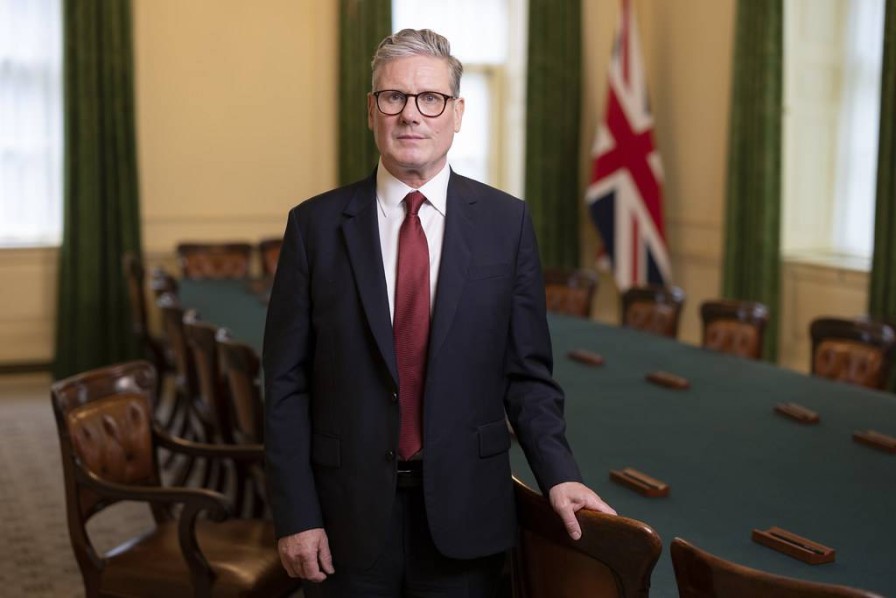
UK Prime Minister Keir Starmer.
European nations also demanded more information about Trump's war objectives in the Middle East, before sending ships to guide oil tankers through the Strait of Hormuz, the ABC and wire agencies reported.
UK Prime Minister Keir Starmer was “looking through the options" to unblock the shipping route but added the UK would not be drawn into the wider war.
“Ultimately, we have to reopen the Strait of Hormuz to ensure stability in the [oil] market. That is not a simple task. So, we're working with all of our allies, including our European partners, to bring together a viable collective plan that can restore freedom of navigation in the region as quickly as possible and ease the economic impact."
Indian Foreign Minister Subrahmanyam Jaishankar was hopeful that talks with Iran could ease shipping disruptions for his country's vessels in the Strait of Hormuz. "I am at the moment engaged in talking to them, and my talking has yielded some results," he told the Financial Times.
However, there was no "blanket arrangement" for all Indian ships to pass through the narrow waterway. Two Indian-flagged gas tankers passed through on Saturday local time, while about 22 Indian-flagged vessels were still waiting for clearance to pass through, the BBC said.
The United Arab Emirates' biggest port and oil storage facility, Fujairah, and Dubai's international airport had come under further drone attacks, as Iran targeted transport and oil infrastructure.
Flights were temporarily suspended on Monday local time after a fire broke out near the airport after a "drone-related incident". A fire was also reported after a drone attack on the strategically important port and industrial zone at Fujairah, the BBC said.
Importantly, oil prices climbed again amid growing supply fears after the US struck Iran’s vital Kharg Island oil hub. Earlier, brent crude oil rose 1.8% to US$104.98 per barrel during early trading on Monday, the Guardian said.
US fuel prices also remained elevated following the attacks on Middle East oil facilities over the weekend. Average fuel prices rose two cents to just under US$3.72 per gallon, the highest level since October 2023. Since the start of the war with Iran, US fuel prices had surged 74c per gallon, CNN reported.
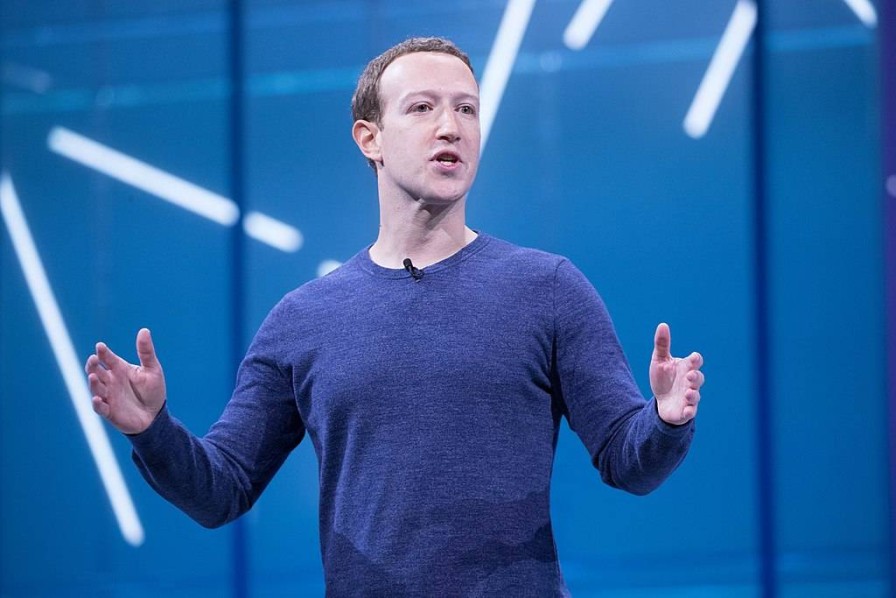
Meta CEO Mark Zuckerberg.
Meanwhile, in Cuba, the country's national electric grid has collapsed leaving about 10 million people without power following a US-imposed oil blockade, the Guardian reported. The grid operator, UNE, said it was investigating the causes of the blackout, the latest in a series of widespread outages that last for hours or days and that last weekend sparked a protest in the communist-run country.
Finally, shares in tech giant Meta climbed about 3% during Monday trading following “speculative” reports that the company could cull more than 20% of staff to balance its artificial intelligence spending plans, CNBC reported.
Over the weekend, Reuters reported that top executives told senior leaders to start making plans to cut staff again. A Meta spokesperson told CNBC that it was a “speculative report” about “theoretical” approaches to business.
It would mark the biggest cuts since late 2022, when CEO Mark Zuckerberg announced 11,000 job cuts and limited hiring as part of a mass cost-cutting strategy.


