Happy Tuesday and welcome to your morning wrap of the latest business and political headlines from around the world.
We begin in the Middle East, where US President Donald Trump has threatened widespread destruction of Iran’s energy resources and other key infrastructure if a deal to end the war is not reached “shortly”, the Associated Press reported.
In a social media post, Trump said “great progress is being made” in talks with Iran but, if a deal is not reached and the Strait of Hormuz is not immediately opened, then the US would broaden its offensive by “completely obliterating” power plants, oil wells, Kharg Island, and even desalination plants.
The threat followed earlier comments to the Financial Times, where the President suggested that American troops could seize Iran’s Kharg Island oil export hub.
Trump has repeatedly claimed to be making diplomatic progress – although Tehran denies negotiating directly – while also making bold threats, which include deploying ground troops.
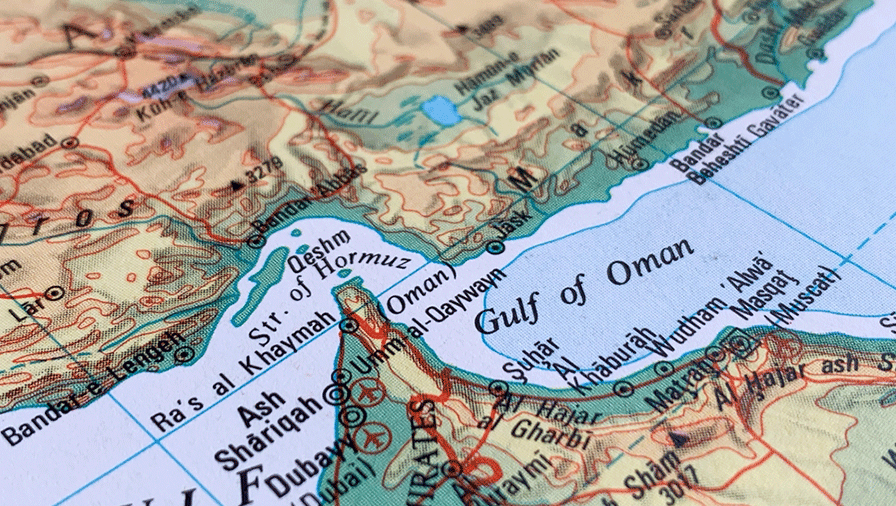
The Strait of Hormuz is a narrow channel through which about 20% of global oil flows.
In an exclusive interview with Al Jazeera, US Secretary of State Marco Rubio said the President prefers diplomacy and the conflict was weeks, not months, away from finishing.
“We are well on our way, or ahead of schedule … Then we’ll be confronted with this issue of the Strait of Hormuz, and it’ll be up to Iran to decide,” Rubio said.
“If they choose to try to block the strait, then they will have to face real consequences, not just from the United States, but from regional countries and from the world.”
Overnight, Iran struck a key water and electrical plant in Kuwait and an oil refinery in Israel. Israel and the United States subsequently launched a new wave of strikes on Iran.
In the United States, Federal Reserve chair Jerome Powell said the central bank can sit on its hands and monitor how the conflict affects the US economy and inflation, Reuters reported.
At a presentation to a macroeconomics class at Harvard University, Powell said the bank feels policy is in a good place at the moment to “wait and see how that turns out.
“Inflation expectations do appear well anchored beyond the short term,” he said, noting that policymakers tend to look through price shocks from higher oil prices.
His comments downplayed concerns about a potential interest rate hike, which saw the Dow Jones Industrial Average trade 0.3% higher. However, the S&P 500 and the tech-heavy Nasdaq edged 0.3% and 0.5% lower, respectively.
The yield on the US 10-year Treasury also slipped following Powell’s comments, falling 11 basis points to about 4.33%.
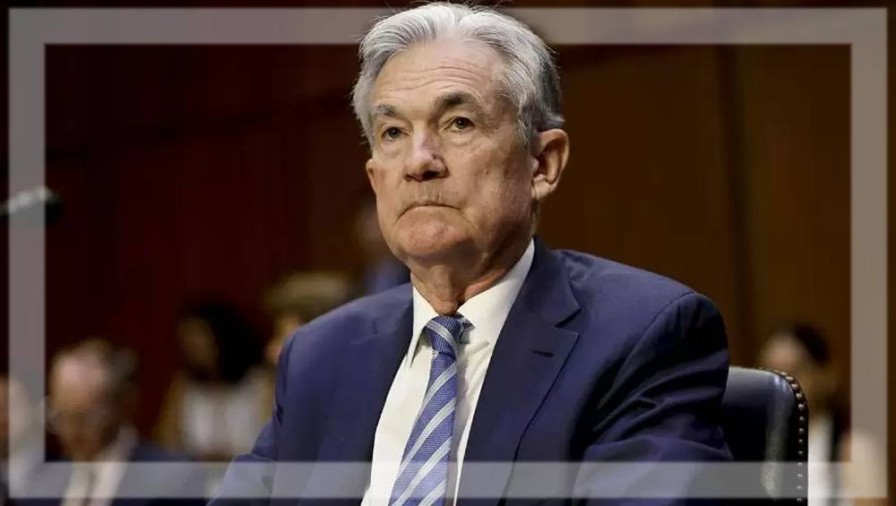
Federal Reserve chair Jerome Powell.
While much of the attention on the financial impacts of the war has focused on equities, bond yields, and oil, it has also had a pronounced impact on key industrial commodities, such as aluminium.
CNBC reported that, following Iranian attacks on two Middle Eastern producers over the weekend, prices have closed in on levels last seen in 2022. About 9% of the global aluminium supply comes from the Gulf.
Futures prices on the London Metal Exchange initially jumped 5.5% overnight to briefly touch US$3492 – a level last seen in April 2022 – before easing slightly.
Emirates Global Aluminium and Aluminium Bahrain, which are two of the Gulf’s largest producers, came under fire from Iranian drones, with EGA saying its Al Taweelah smelter sustained “significant” damage.
Staying with business, the US Department of Labor has paved the way for retirement plans to invest in private assets, as it issued proposed new rules intended to clarify how trustees can add alternative assets, from private equity to even crypto, to portfolios, Reuters reported.
The measure is intended to remove long-standing barriers to allow trustees to invest in less liquid assets and follows an executive order by Trump. The move would clear the way for alternative asset management firms to tap new sources of capital.
However, it comes as the US$2 trillion private credit asset class has been rocked by a surge in redemptions this year, raising questions about its health.
Wealth Script Advisors financial adviser Alex Caswell was quoted by Reuters as saying the biggest question is “liquidity mismatching”.
He said private assets tend to be very illiquid, and he wondered how this gets addressed in accounts that need to provide minimum distributions. “At some point, for some people, the entire account will need to be distributed. If any part of it is an illiquid asset, what does that mean for investors?"
In other news, a Russian tanker carrying oil to Cuba has entered the waters off the Communist-run island, BBC reported, citing Russian news agency reports.
The oil shipment is the first to reach the country since January and comes hours after Trump said he had no problem with countries, including Russia, sending supplies to the island.
The comment appeared to signal a loosening of a de facto oil blockade his administration has imposed on the country after US forces seized Venezuelan leader Nicolás Maduro in January. He was a staunch ally of the Cuban government and had been providing oil to the island under highly preferential terms.
Since then, Cuba has been experiencing nationwide blackouts, and the World Health Organisation said the severe fuel shortages meant hospitals were struggling to maintain emergency services.


