Happy Thursday and welcome to your morning wrap of the key political and business headlines from around the world.
First, the latest US-brokered peace talks between envoys from Moscow and Kyiv over the war in Ukraine have ended with no sign of a breakthrough, with both sides saying the talks were difficult.
As the Associated Press reported, the negotiations in Switzerland were the third round of direct talks organised by the US and took place as the war’s fourth anniversary approaches next week.
“The negotiations were not easy,” Ukrainian President Volodymyr Zelenskyy said after the talks broke up and he spoke briefly by phone from Kyiv with his negotiating team. Earlier, he accused Russia of “trying to drag out negotiations” while pressing on with its invasion.
The head of the Russian delegation, Putin adviser Vladimir Medinsky, told reporters that talks in Geneva “were difficult but businesslike”. Kremlin spokesman Dmitry Peskov told reporters that it’s “too early” to speak about the outcome of the talks. A new round of talks is expected to take place.
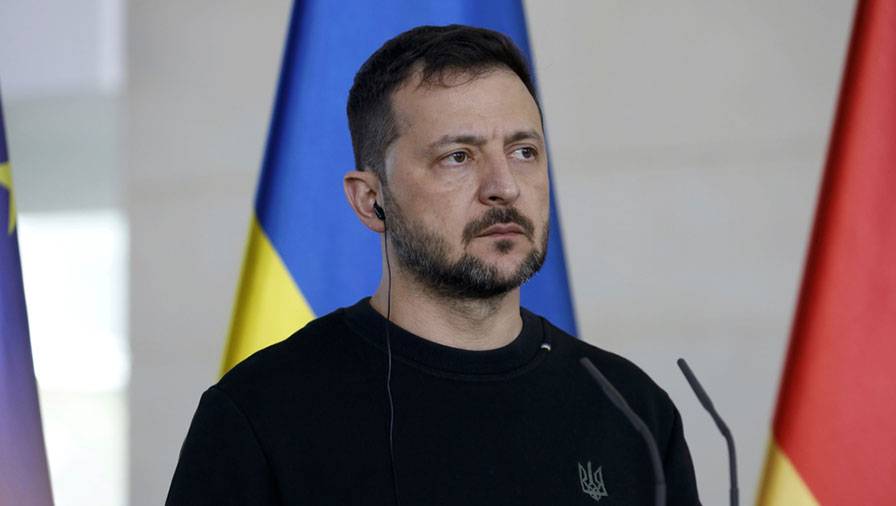
Volodymyr Zelensky.
To Europe, where the head of the European Central Bank, Christine Lagarde, plans to leave her job early ahead of next year’s French presidential election to give outgoing leader Emmanuel Macron a say in picking her successor, the Financial Times and Reuters reported.
Lagarde’s term is due to end in October 2027, but a victory by France’s far-right party, National Rally (RN), in April is seen as complicating the selection of the next ECB boss. RN president Jordan Bardella accused Macron of attempting to stage a “democratic power grab” that would let him maintain influence after he left office.
France is the European Union's second-largest economy, and no ECB president has been appointed without its sign-off.
Citing a person familiar with the matter, the FT reported Lagarde was yet to decide the timing of her departure but was keen that Macron and German Chancellor Friedrich Merz be the key European leaders to pick her successor. A spokesperson for the ECB said Lagarde had not made any decisions about ending her term, which is a departure from previous comments last year when the ECB said Lagarde was “determined to complete her term”.
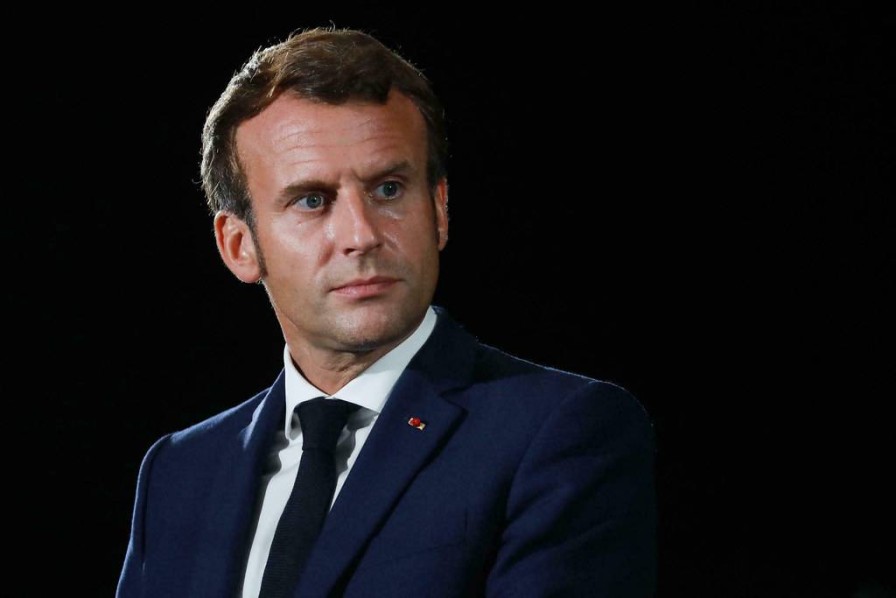
Emmanuel Macron.
Staying in Europe, UK inflation cooled markedly in January, boosting the odds of the Bank of England cutting interest rates.
As reported by CNBC, headline annual inflation fell to 3% last month, down from 3.4% in the 12 months ended December. The reading was in line with expectations from economists polled by Reuters.
Core inflation, which excludes volatile energy, food and alcohol prices, eased to 3.1% from 3.2% in the prior month.
UK Office for National Statistics chief economist Grant Fitzner, in a post on social media, said the fall in inflation to its lowest level in 10 months was partly driven by cheaper petrol prices.
“Airfares were another downward driver this month, with prices dropping back following the increase in December. Lower food prices also helped push the rate down, particularly for bread and cereals and meat. These were partially offset by the cost of hotel stays and takeaways,” he noted.
Economists now expect the Bank of England to lower its benchmark interest rate, currently at 3.75%, at its next meeting in March.
JP Morgan Asset Management global markets analyst Zara Nokes said sticky inflation had been the “Achilles’ heel” for the UK for several years, but it appeared to have now turned a corner. “Today’s data showed a meaningful step down in headline inflation, with broad-based disinflation across sectors.”
In other news, Mark Zuckerberg, the co-founder of Facebook, arrived at a California court overnight, where he is due to testify in a landmark case over whether social media is addictive for children.
As the BBC reported, it will be Zuckerberg’s first appearance before a jury after years of backlash against Facebook’s parent company, Meta Platforms, which also owns Instagram and WhatsApp.
The lead plaintiff in the case, known only by her initials KGM, started using Instagram and YouTube as a child. Her lawyers have accused social media firms of working to addict young users, despite being aware of the risks to mental health. Meta’s lawyers have argued that KGM was hurt by other things in her life, not her use of Instagram.
TikTok and Snapchat, which have also been named in the lawsuit, settled shortly before the trial was scheduled to begin.
Zuckerberg, who arrived in court flanked by security and associates, is expected to face questions about Instagram’s design and what changes the firm made over the years to keep people hooked.
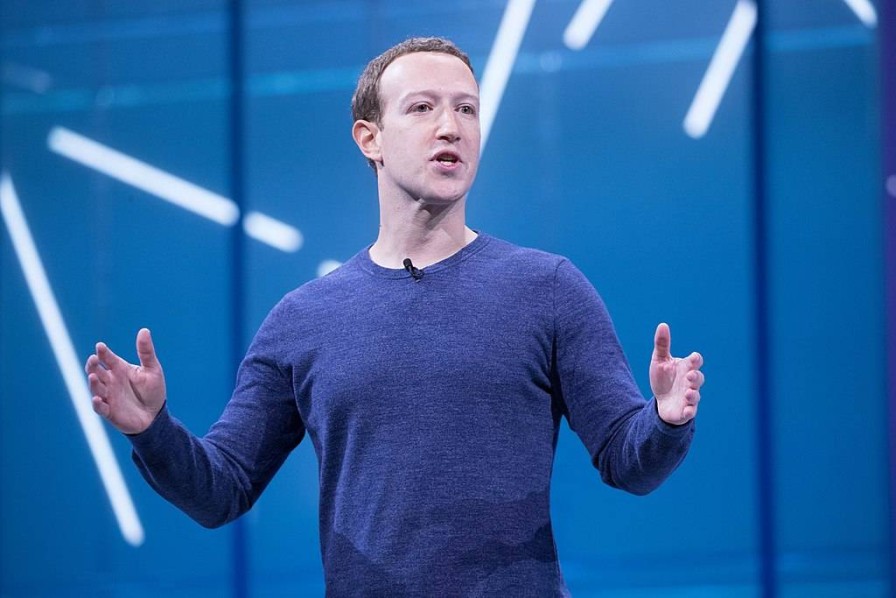
Mark Zuckerberg.
Finally, this morning, Australia has banned a citizen with links to Islamic State from returning to the country for two years.
The adult is among a group of 34 Australian women and children in a Syrian detention camp. The person has been issued with a temporary exclusion order, The Guardian reported.
The rest of the group has not been assessed by intelligence agencies as meeting the threshold to be banned from Australia, potentially clearing the way for the wives and children of Islamic State fighters to re-enter the country if they can make their way home.
Australian Prime Minister Anthony Albanese has faced questions following reports the group has been issued with passports by the government, to which he replied it was simply “implementation of Australian law”.
“We are providing no assistance to these people, and won’t provide any assistance to these people, but we won’t breach Australian law,” Albanese told a press conference.
Shadow Home Affairs Minister Jonno Duniam has queried the decision to ban only one person. “If the Minister is claiming that only one of the [cohort] is deemed risky enough to warrant a temporary exclusion order, then this raises more questions than answers,” he said in a statement. “[This group] all travelled to the same ‘declared area’ for the same reason of supporting the same listed terrorist organisation – how can only one member of this group be deemed a risk and the rest somehow okay?”

