After three weeks in court, the first phase of a clash between two tech titans has drawn to a close, with the jury in Musk v Altman moving into deliberation next week.
Well-known tech entrepreneur Elon Musk sued the company he co-founded, OpenAI, and his co-founders Sam Altman and Greg Brockman, in 2024 alleging the company went back on its commitment to keep OpenAI operating as a nonprofit after it opened a for-profit subsidiary in 2019. That for-profit division includes ChatGPT, which is made by OpenAI.
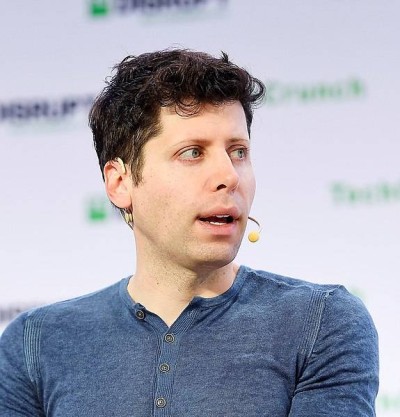
OpenAI's Sam Altman.
Musk has claimed the roughly US$38 million ($64.6m) he donated to OpenAI was used for “unauthorised commercial purposes”. Microsoft – a key OpenAI investor – was also accused of aiding and abetting the company’s purported breach of charitable trust.
Meanwhile, OpenAI has argued Musk sued to give his own AI startup, xAI, an advantage and said the lawsuit was only filed after xAI was launched.
Musk co-founded OpenAI in 2015, alongside Altman, Brockman, and eight others. He left in 2018 after failing to convince executives to merge it with Tesla, another company he founded.
Deliberation for the nine-person jury will start on Monday in the US, and the second stage of the trial, known as the ‘remedies phase’, will also start. In remedies, the judge will hear arguments about potential damages and next steps if OpenAI, Altman, and Brockman are found liable. The jury won’t weigh in on this, and a decision will only occur if there’s a finding of liability.
Earlier this year Musk’s lawyers asked for up to US$134 billion in damages from OpenAI and Microsoft in “wrongful gains”. His team now says any “ill-gotten gains” should be returned to OpenAI’s nonprofit division, OpenAI Foundation. Musk also seeks the removal of Altman and Brockman as officers of OpenAI.
Honda reports red ink
While Honda reported its first loss in almost 70 years this week, shares in the company rose.
The Japanese car manufacturer founded in 1948 reported a total operating loss of ¥414.3b ($4.44b) for the year ended March, compared with an operating profit of ¥1.2 trillion the previous year.
Honda reported demand for electric vehicles had failed to meet forecasts, and US policy changes – including the removal of EV tax incentives – had contributed to the loss.
However, investors weren’t scared off, with shares up more than 7% after the news.
Shareholders were told Honda had scrapped its target for EVs to make up a fifth of new car sales by 2030, and all vehicles to become EVs by 2040.
Instead, Honda will pivot toward growing its motorcycle business, its financial services division, and its hybrid vehicle manufacturing.
North America, Japan, and India were cited as priority markets for future growth.
Honda expects to report ¥512b in EV-related losses in the next financial year ending March 2027.
No deal
In other news, EBay has rejected a US$65b takeover proposal by US electronics and gaming merchandise company, GameStop.
This week, the American ecommerce platform responded to last week’s bid, describing it as “neither credible nor attractive.”
GameStop offered US$125 a share in a cash and stock deal, valuing EBay at about US$55.5b. Gamestop reported the company had a US$20b financing commitment from a division of TD Bank, and about US$9b in cash, but a gap remained.
In a letter, EBay’s chair Paul Pressler said the board had reviewed the proposal and decided to reject it. Concerns including financing, operational risks, and debt from the proposed transaction were listed.
The rejection wasn’t taken lightly, however.
In a letter seen by The Financial Times, GameStop CEO Ryan Cohen wrote to Pressler to say the offer was rejected “without engaging on its substance”.
“[Ebay’s directors] should not dismiss a US$125 per share proposal without engaging on its substance. The economics are clear and they are public. Ebay’s own shareholders deserve the opportunity to evaluate them,” Cohen wrote.
In 2021, GameStop benefited from an investing movement attempting to head off Wall Street short sellers after becoming a penny stock. The company’s share price recovered and trades at about US$21.6 a share.