Happy Thursday and welcome to your morning wrap of the latest political and business headlines from around the world.
First up, Iran's Islamic Revolutionary Guard Corps said it has seized two ships in the Strait of Hormuz, according to local state media, which was reported by The Guardian.
The ships, identified as the Epaminondas and the MSC Francesca, were moved to Iran’s coast, with the IRGC saying that “disrupting order and safety in the Strait of Hormuz is considered a red line”.
The seizure comes after reports that three vessels came under attack in the narrow waterway overnight, according to the UK Maritime Trade Operations and the BBC.
Iranian media named the third ship as the Euphoria, which is said to be “stranded” off Iran’s coast.
The attack and seizure follow an about-turn by US president Donald Trump yesterday, when he extended the US's ceasefire with Iran just as the deadline for the 14-day truce approached.
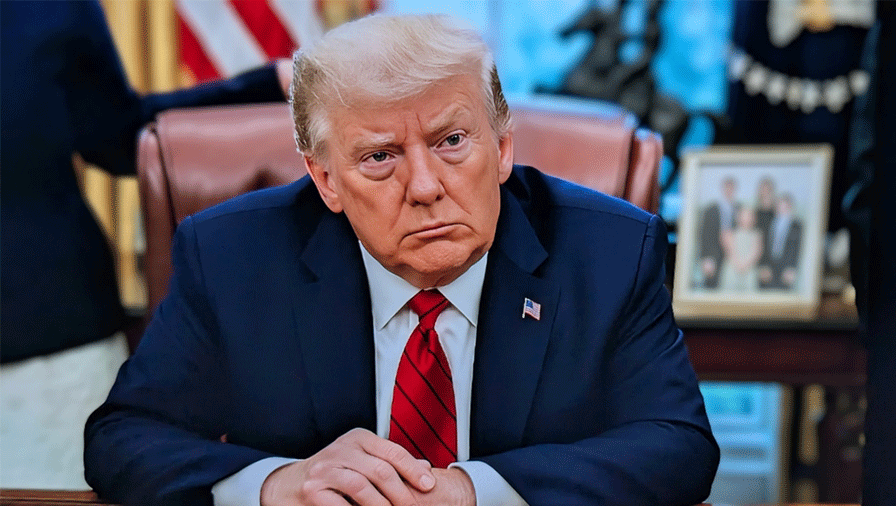
US President Donald Trump extended the ceasefire yesterday.
Oil prices have jumped above US$100 a barrel in response to the seizure, with Brent crude up more than 3% to $102.14.
Meanwhile, equity markets appear to have looked through the developments, rising on news of the ceasefire extension which was announced after market close.
The tech-heavy Nasdaq was up nearly 1.4% as of 6.35am NZT, reaching an all-time high, while the broader S&P 500 added 0.8% and the Dow Jones Industrial Average was up close to 0.5%.
US 10-year bond yields were largely unchanged at 4.296%, and gold was up 0.63% to US$4759 an ounce.
WEBs Investments chief executive Ben Fulton told CNBC that investors were officially starting to look past developments in the Middle East.
US equities are going to be able to more easily climb than other international markets from here on in, given the expected tailwinds from earnings, he said.
“A week ago, I said, ‘The risk was on the upside.’ The market moves so much that now I look and go, ‘No, the risk is on the downside’,” he said. “It’s time to put it in the rear-view mirror. They've got to stay the course.”
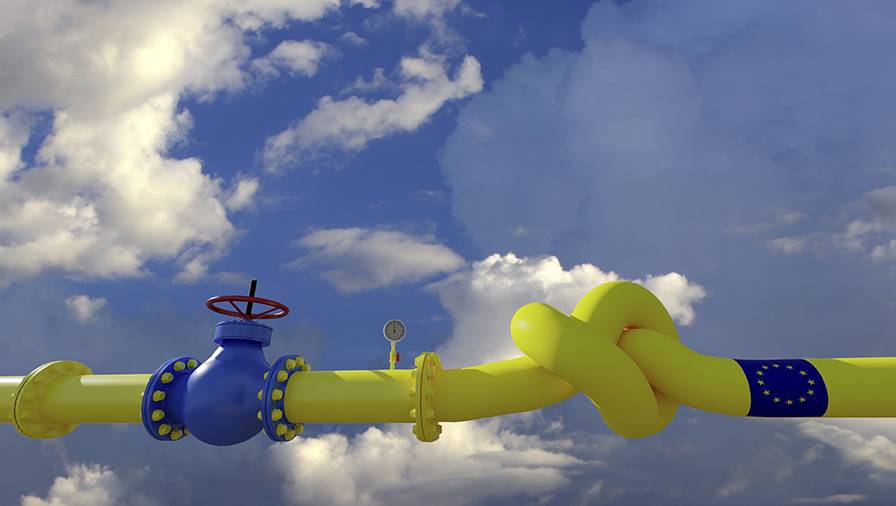
In other news, European Union members have agreed to unblock a US$106 billion ($180b) loan for Ukraine and a new suite of sanctions on Moscow, as Kyiv resumed pumping Russian oil to Hungary and Slovakia, prompting Budapest to lift its veto, The Guardian reported.
The EU agreed to the loan in December, which is vital to keep Ukraine afloat this year and next, but Hungary’s then-prime minister, Viktor Orbán, backed by Slovakia, vetoed it in March over a dispute with Kyiv about a damaged oil pipeline.
Orbán, who was voted out as leader in a nationwide election on April 12, accused Ukraine of deliberately delaying repairs to the pipeline, but Kyiv said the pipeline had been badly damaged by Russian drones and was being repaired as quickly as possible.
Now that Ukraine has resumed pumping Russian oil, EU ambassadors are expected to sign off on the loan tomorrow.
In business news, Reuters reports that Deutsche Telekom is exploring a deal to combine with T-Mobile US and create a transatlantic telecoms giant in what would be the largest ever public merger.
Citing two people familiar with the matter, the article said the merger could create a company with a market capitalisation of nearly US$300b, making it the world’s largest telecoms group. Shares in both companies fell on the news when it was first reported by Bloomberg.
However, analysts from Morgan Stanley said the scale of the merged company could bolster financial firepower and support further acquisitions. Telekom already owns a 53% stake in T-Mobile, and the complex deal is likely to face major regulatory hurdles.
On Wall Street, plane maker Boeing has narrowed its first-quarter loss and expects to ramp up production.
The company narrowed its net loss in the first quarter to US$7 million from US$31m a year ago, while revenue rose 14% to US$22.2b.
Chief executive Kelly Ortberg told CNBC’s Squawk on the Street that it planned to increase production of its best-selling 737 Max aircraft to 47 a month from 42. “We’re hearing very good things about the quality of our airplanes,” he said. “All systems are go.”
All eyes on Wall Street are now on the first-quarter results of Tesla, which will be released after the bell.
Finally this morning, South Korean authorities have found that two fighter jets collided mid-air in 2021 because the pilots were taking pictures and videos, the BBC reported.
The incident took place while the jets were on a flight mission in the central city of Daegu. The pilots survived the collision with no injuries, but the damage to the planes cost the military US$596,000 in repairs.
The collision occurred because one of the pilots, who has since left the military, wanted to take photos to commemorate his last flight with his unit. He was later made to pay a fine of about US$59,500.
Taking photos on significant flights was a widespread practice among pilots, Seoul’s Board of Audit and Inspection report on the matter said.

